


Chris Harrison · March 9, 2026 · Strategy Consulting
High-ROI Restaurant Growth Strategy: Building a Technology Framework for Scale
Growth in the restaurant industry is a double-edged sword. Scaling from a single successful unit to a multi-location group often exposes structural weaknesses that were invisible at a smaller scale. Without a robust technology framework, operational overhead grows exponentially while margins contract. To achieve a high return on investment (ROI) during expansion, you must stop treating technology as a support function and start treating it as your primary growth engine.
Building this framework requires strategic oversight: the kind typically reserved for enterprise-level brands. This is where Fractional CTO services become the catalyst for scale. By implementing enterprise-grade architecture without the full-time executive headcount, restaurant groups can build the resilience needed to dominate their market.
Audit Your Current Technology Debt
Before you can build for the future, you must identify the "technology debt" holding you back. Many restaurant groups scale by bolting on disparate systems: a POS from one vendor, a third-party delivery aggregator from another, and a manual scheduling tool. This fragmentation creates data silos that prevent real-time decision-making.
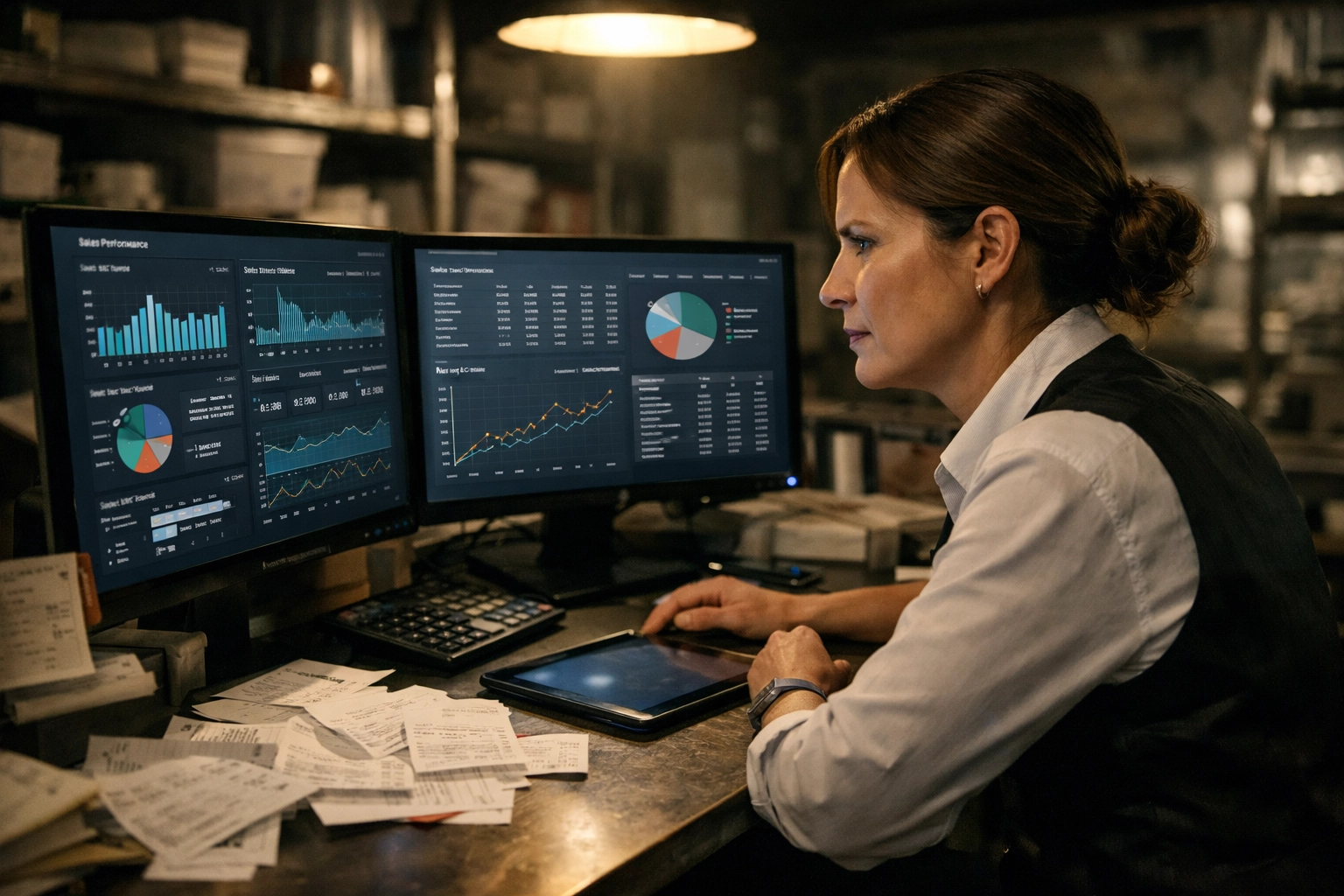
Audit your current stack and identify every manual data entry point. If your managers are spending hours transposing sales data into spreadsheets, your framework is broken. High-ROI growth relies on automated data flows. Eliminate isolated software that cannot communicate via API. Your goal is a unified ecosystem where every transaction, labor hour, and inventory movement is visible from a single dashboard.
Implement a Centralized, Cloud-Native Architecture
Scale demands centralization. You cannot manage ten locations with the same hands-on approach used for one. You must transition to a cloud-native architecture that provides a "single source of truth" across all units.
- Deploy a Cloud-Based POS: Your Point of Sale is no longer just a cash register; it is the heartbeat of your data. Use a system that offers multi-location management as a core functionality rather than an add-on.
- Integrate POS with Accounting: Automate the flow of daily sales and labor data directly into your financial systems. This eliminates human error and provides an immediate view of your prime costs.
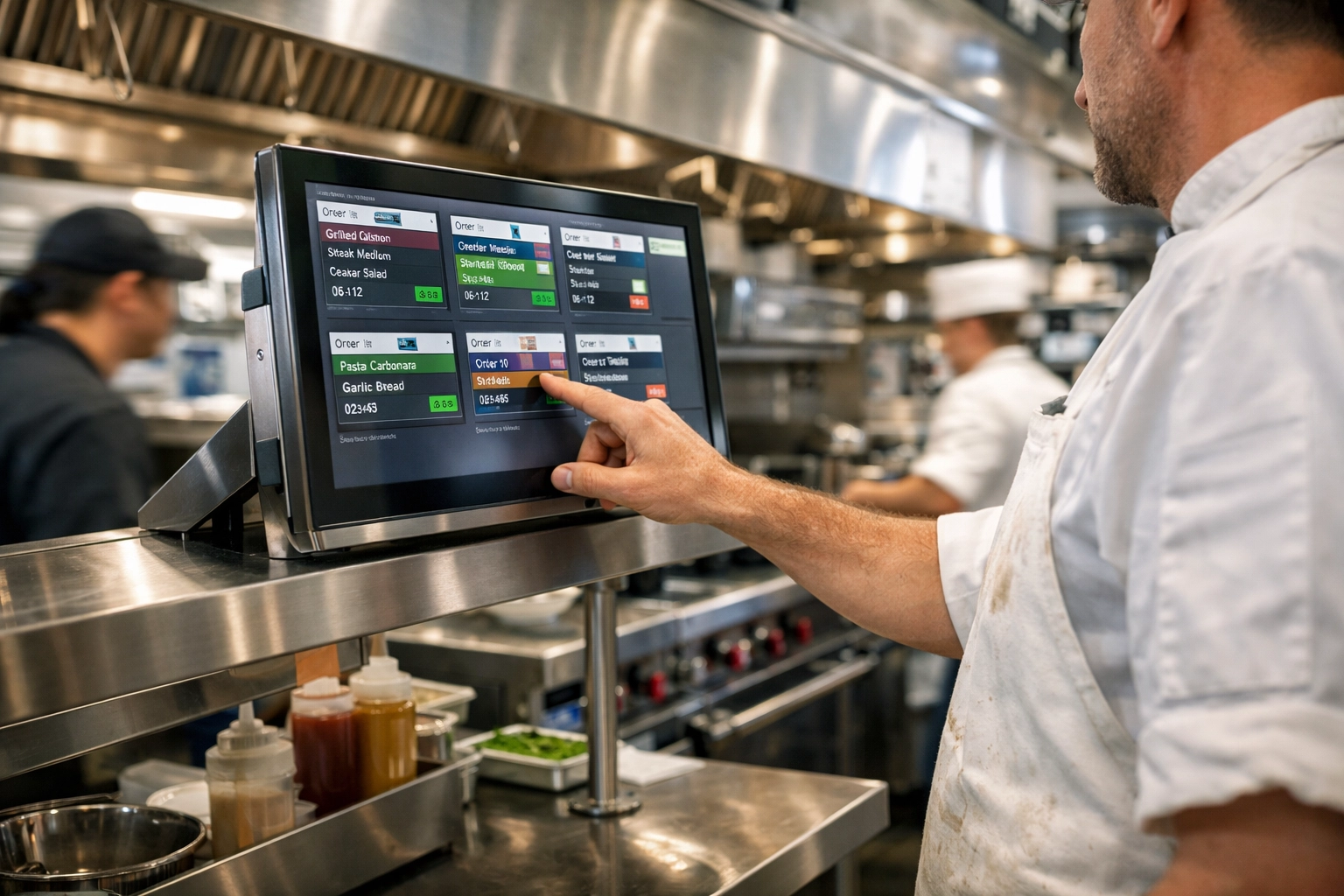
- Standardize Kitchen Display Systems (KDS): Remove paper tickets and implement digital KDS to track ticket times and kitchen efficiency across all locations in real-time.
A Fractional CTO ensures these systems are not just installed, but integrated. Architecture that lacks interoperability is a liability, not an asset.
Operational Excellence Through Digital SOPs
Growth often dilutes brand quality. As you add locations, ensuring that a burger in location A tastes and costs the same as in location B becomes increasingly difficult. Research shows that only 12% of operations leaders report it is "very easy" to roll out and ensure adherence to new initiatives across a restaurant group.
Solve this by digitizing your Standard Operating Procedures (SOPs). Move beyond binders and PDF files. Implement a digital SOP platform that pushes updates directly to staff devices and requires verifiable completion. Use these systems to automate food safety checks, opening/closing duties, and training modules. By embedding your standards into the technology framework, you ensure that operational excellence scales alongside your footprint.
Optimize Your Prime Cost Management
In the restaurant business, profit is won or lost on prime costs: the combined cost of goods sold (COGS) and labor. A high-ROI growth strategy requires moving from monthly financial reviews to weekly or even daily monitoring.
Use technology to benchmark labor efficiency against industry standards. Implement automated forecasting models that use historical sales data and local events to predict labor needs. This prevents the common growth trap of overstaffing "just in case." On the inventory side, integrate your suppliers with your inventory management system to track price fluctuations in real-time. If the price of poultry spikes 10%, your technology framework should alert you immediately so you can adjust menu engineering or sourcing.
Prioritize Infrastructure Resilience
As your reliance on technology increases, your vulnerability to outages grows. A single internet outage at a high-volume location can result in thousands of dollars in lost revenue and permanent damage to customer loyalty.
Build a "cloud-smart" architecture that includes local redundancy. Implement LTE/5G failover systems that automatically kick in if your primary fiber connection drops. This ensures that your POS, kitchen displays, and online ordering platforms remain operational under all circumstances. Furthermore, secure your network with enterprise-grade firewalls and PCI-compliant protocols. As you scale, you become a larger target for data breaches; professionalizing your security posture is a non-negotiable step in building a framework for scale.
Expand Revenue Streams with Integrated Platforms
Growth is not limited to physical locations. A robust technology framework allows you to maximize revenue from each existing square foot through diversified channels.
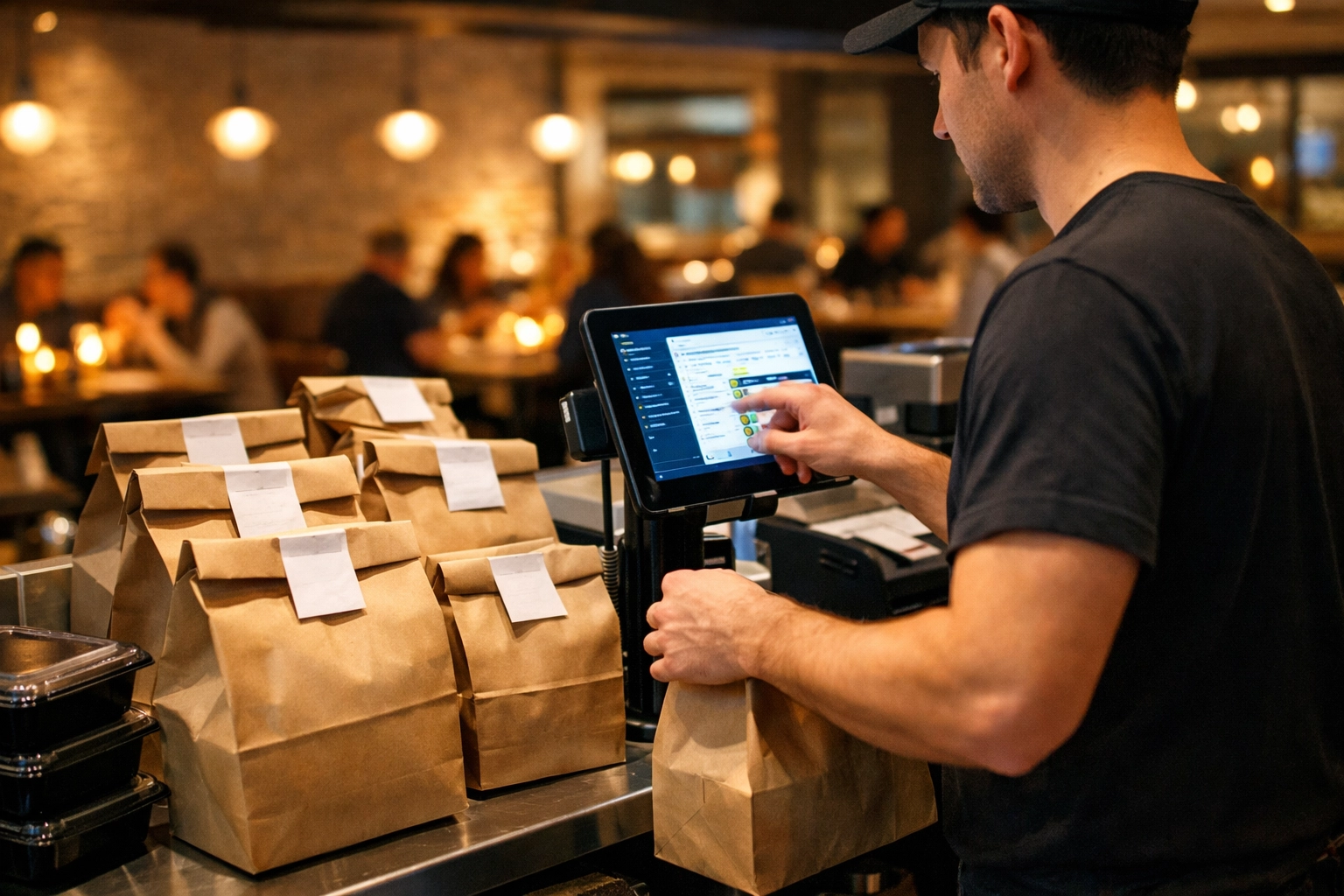
- In-House Online Ordering: Stop giving away 30% of your margins to third-party delivery apps. Use your framework to launch an in-house ordering platform that integrates directly with your POS and loyalty program.
- Catering Management: If your business model supports catering, implement specialized software that syncs with your production and scheduling tools.
- Loyalty and CRM: Use a unified CRM to track customer behavior across all locations and channels. Personalize your marketing efforts based on actual purchase data, not guesswork.
The Roadmap: Where to Invest First
If you are currently scaling, you must prioritize your investments to ensure the highest ROI. Do not attempt to overhaul everything at once.
- Phase 1: The Core. Ensure your POS, accounting, and labor management systems are cloud-based and integrated.
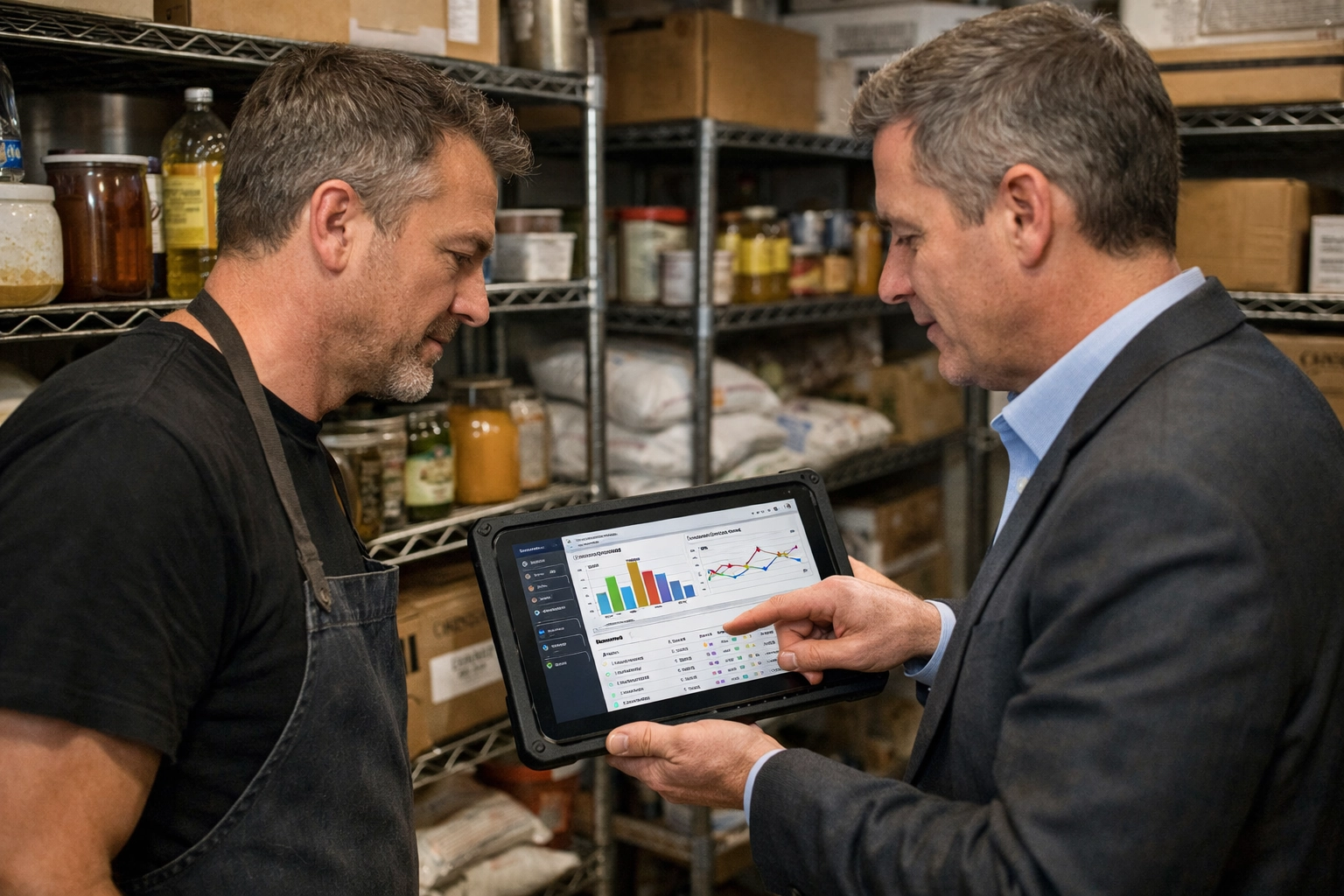
- Phase 2: The Data. Implement real-time reporting dashboards that track prime costs across all units.
- Phase 3: The Resilience. Deploy failover hardware and standardized security protocols.
- Phase 4: The Expansion. Layer on advanced CRM, loyalty, and diversified revenue channel tools.
The Takeaway: Operational Leverage
The ultimate goal of a technology framework is operational leverage: the ability to increase output and revenue without a corresponding increase in management effort. When your systems handle the data entry, the monitoring, and the reporting, your leadership team can focus on what actually moves the needle: hospitality, brand strategy, and expansion.
Do not allow your growth to be limited by your tools. Build a framework that anticipates the challenges of a multi-unit operation before they arrive. If you are ready to professionalize your technology strategy and secure the future of your restaurant group, contact Port Royal Advisors today.
About Port Royal Advisors
Port Royal Advisors provides specialized strategy and business consulting for the hospitality industry. We help restaurant groups navigate the complexities of scale through fractional executive leadership, operational optimization, and technology framework development.
Chris Harrison is the Advisory Partner at Port Royal Advisors. With extensive experience in hospitality strategy, he helps growth-oriented brands build the systems necessary for sustainable, high-ROI expansion.
