

Chris Harrison · March 1, 2026
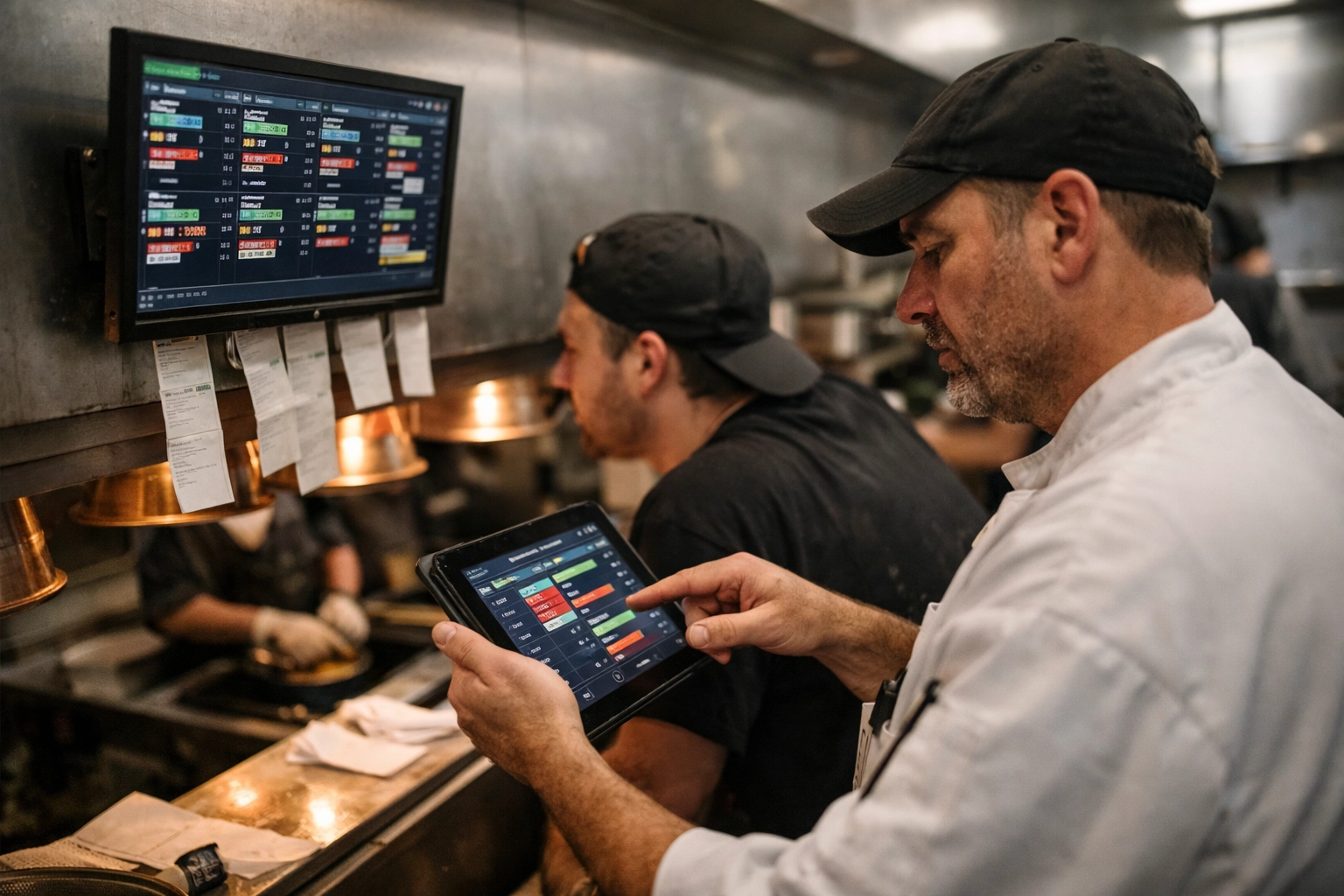
For many restaurant groups, technology has become a source of friction rather than a lever for growth. The promise of "digital transformation" often results in a fragmented collection of software, a POS that doesn’t talk to the inventory system, a loyalty program that lives in a vacuum, and a mountain of data that no one has the time to analyze. When tech is purchased in silos to solve immediate fires, the result is a bloated "tech debt" that drains margins and frustrates staff.
To achieve true restaurant operational excellence, leadership must shift from a reactive mindset to a proactive hospitality tech strategy. This isn't just about picking the "best" apps; it’s about architecting a unified ecosystem where every dollar spent on software returns multiples in labor efficiency, waste reduction, and guest frequency. At Port Royal Advisors, we specialize in moving beyond the sales pitch to deliver restaurant growth strategy consulting that bridges the gap between high-level vision and on-the-ground execution.
The Strategy-First Approach: Why Most Stacks Fail
The primary reason hospitality tech stacks fail to deliver ROI is the "Shiny Object Syndrome." A regional manager sees a flashy new AI-driven scheduling tool and signs a contract, while the marketing team buys a separate CRM, and the CTO is left trying to stitch them together via Zapier or manual CSV uploads.
Building a stack that drives ROI requires a foundational understanding of your unique business strategy for restaurants. Before looking at a single demo, you must define your operational bottlenecks. 1. Are you losing points on the P&L due to unoptimized labor? 2. Is your food waste higher than the industry average because of poor inventory tracking? 3. Is your guest data scattered across three different platforms?
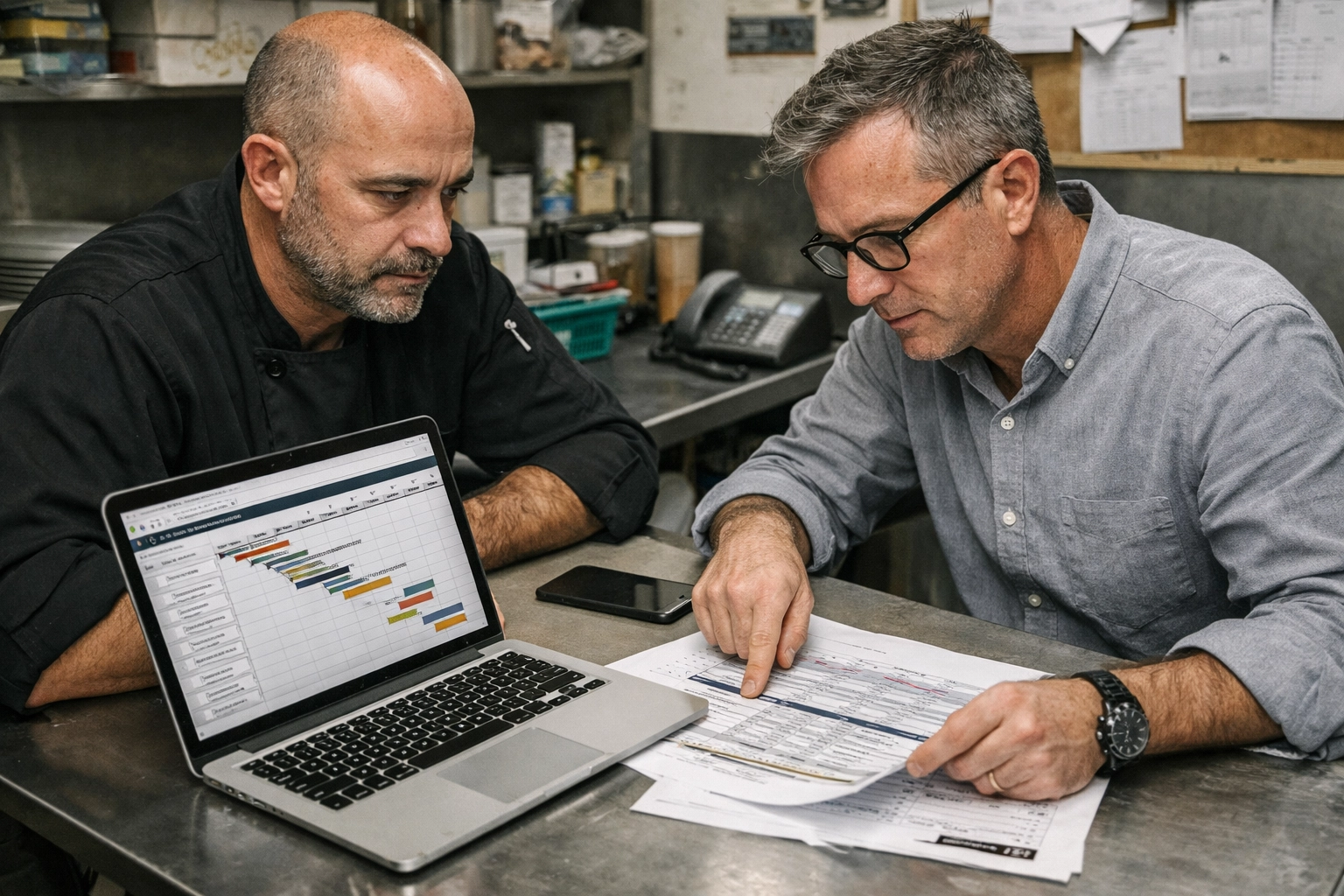
An effective hospitality digital transformation consulting partner doesn't start with a software list; they start with a process map. You must audit your current workflows to identify where manual data entry is killing productivity. Only then can you select tools that automate those specific pain points.

The Core Pillars of a High-ROI Tech Stack
A robust hospitality tech stack is built on a "hub-and-spoke" model. At the center is your core operational engine, with specialized tools radiating outward, all connected by seamless data integrations.
1. The Central Nervous System: POS and PMS
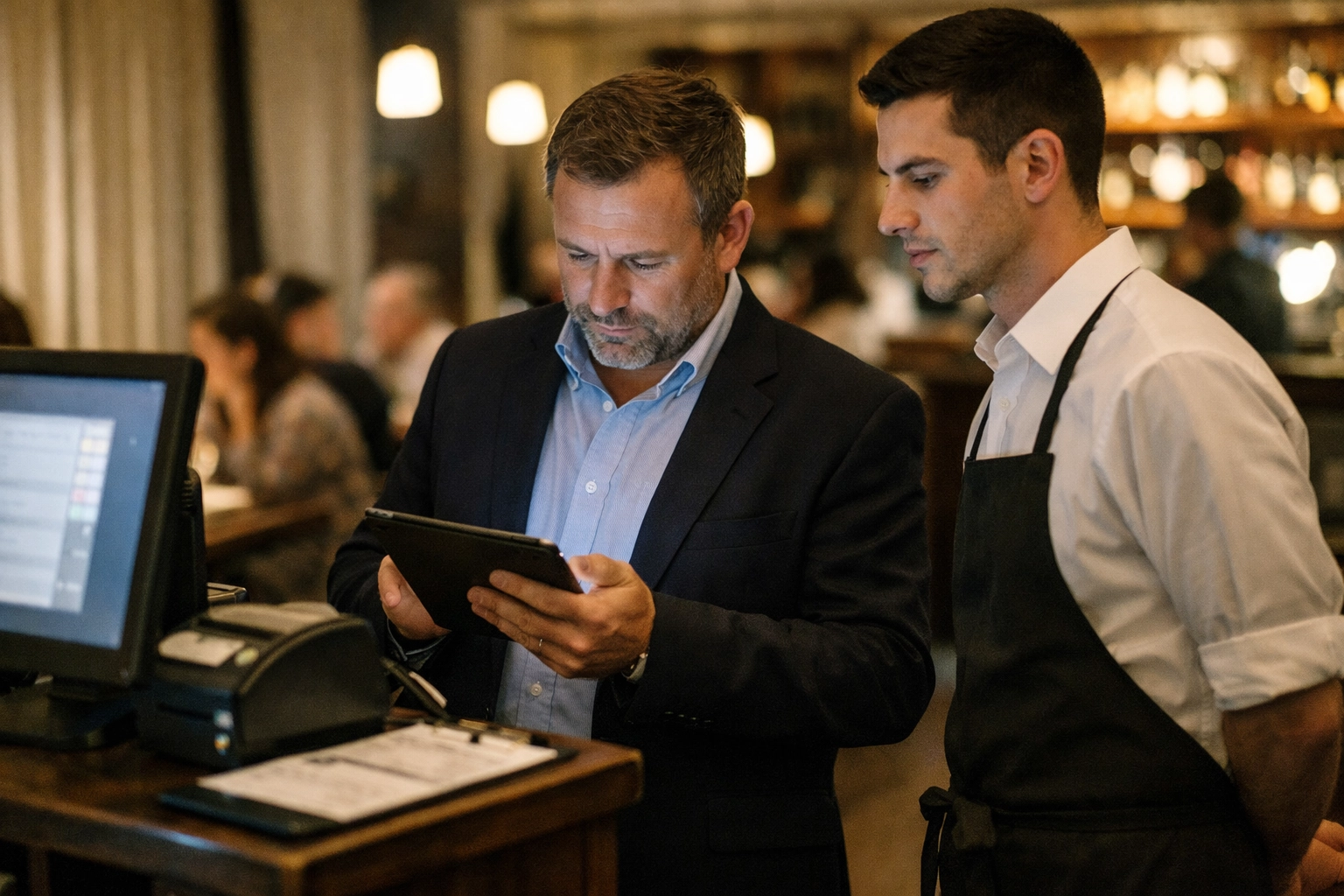
Your Point of Sale (POS) or Property Management System (PMS) is no longer just a way to take orders or check in guests; it is your primary data harvester. When evaluating these systems, prioritize "open API" architectures. A closed system is a dead end for growth. Your POS must be the single source of truth for sales data, feeding directly into your accounting and labor management tools.
2. The Efficiency Engine: Back-of-House (BOH) Automation
This is where the most significant "Hard ROI" is found. Restaurant operational excellence is impossible without real-time visibility into COGS (Cost of Goods Sold). Use integrated inventory management systems that provide theoretical vs. actual (TvA) variance reporting. When your BOH tech can pinpoint that you’re losing 2% of your protein to waste or theft, the software pays for itself in months, not years.
3. The Revenue Driver: CRM and Unified Guest Profiles
In the modern landscape, restaurant digital transformation hinges on personalization. Your stack should enable you to recognize a "VIP" guest whether they are ordering delivery through your app, booking a table via your website, or walking into a physical location. A unified CRM allows for automated, segmented marketing that increases guest frequency without increasing your marketing spend.
The Integration Imperative: Eliminating Data Silos
The hidden killer of ROI is "hidden labor", the hours your managers spend moving data from one system to another. If your managers are spending Sunday nights in Excel spreadsheets instead of on the floor coaching staff, your tech stack is failing.
True hospitality tech strategy focuses on the "middleware" or the integration layer. Ensure your tools have native integrations or that you have the internal capability to build custom connectors. When data flows automatically from your POS to your labor scheduling tool, you can optimize staffing levels based on real-time sales forecasts rather than guesswork. This is the hallmark of restaurant technology consulting that actually impacts the bottom line: turning data into actionable insights.
How a Fractional CTO Accelerates Growth
Most mid-sized restaurant groups reach a "complexity ceiling." They are too large to manage tech off the side of the CEO’s desk, but not yet large enough to justify a $250k/year full-time CTO. This is where the Port Royal Advisors model provides a distinct competitive advantage.
As C-suite practitioners, we provide Fractional CTO services that bring high-level strategy to mid-market brands. We don't just give advice; we drive action. Our role is to:
- Rationalize the Stack: We identify redundant software and cut unnecessary subscription costs.
- Vet Vendors: We sit through the demos and ask the hard technical questions that sales reps hope you won't ask.
- Oversee Implementation: We ensure the rollout happens on time and that staff are actually trained to use the new tools.
- Build the Roadmap: We align your technology investments with your 3-year restaurant growth strategy consulting goals.
By leveraging a Fractional CTO, you gain the expertise required for hospitality digital transformation consulting without the overhead of a full-time executive. You get a partner who is focused solely on your results, not on selling you a specific platform.
Measuring Success: The ROI Framework
To determine if your tech stack is actually delivering, you must move beyond "gut feeling" and look at specific KPIs. Use a tiered framework to measure success:
- Labor Efficiency: Has the time spent on administrative tasks (scheduling, payroll, inventory) decreased by at least 20%?
- Prime Cost Reduction: Are your COGS and labor percentages trending down relative to sales?
- Guest Lifetime Value (LTV): Is your CRM driving an increase in repeat visits and average check size?
- Scalability: Can you open your next five locations without adding more administrative headcount?
If you cannot answer "yes" to these questions, your current stack is a cost center, not an asset.
Moving From Strategy to Action
Building a tech stack that drives ROI is not a "one and done" project; it is a continuous process of optimization. The landscape of hospitality tech strategy is shifting rapidly, with AI and automation offering new ways to reclaim margins every day. However, technology is only as good as the strategy behind it and the team executing it.
At Port Royal Advisors, we help restaurant groups navigate this complexity. We bring deep expertise and a results-focused approach to every engagement, ensuring that your digital transformation leads directly to operational excellence.
Stop letting your technology dictate your operations. Instead, build a strategy that forces your technology to drive your growth.
Ready to audit your tech stack and uncover hidden ROI? Contact Port Royal Advisors today to speak with a practitioner who understands the intersection of hospitality and high-level strategy.
About Port Royal Advisors
Port Royal Advisors is a premier business strategy for restaurants and hospitality firms. We specialize in bringing strategy to action through deep C-suite expertise. Our team of practitioners works alongside leadership to drive restaurant digital transformation, optimize operations, and achieve sustainable growth.
Explore more of our insights on business strategy or learn about our approach to marketing plans.
